
Protecting Rights
Does limited government protect individual rights?
Students will analyze how government power has been defined and limited over time through Influences on the Founding, various Founding Documents, and landmark Supreme Court cases.
Objectives:
- Understand the foundational principle from the Declaration of Independence that the government derives its powers from the consent of the governed.
- Analyze how foundational principles have evolved and been applied through key historical documents and court cases.
Standard/Benchmark alignment: This lesson encourages primary source analysis, critical thinking about founding principles, and collaborative discussion—skills emphasized in many history and social studies state standards.
Assessment:
Observation/Discussion | Student Activities | Exit Ticket
Assessment Considerations, Formative Assessment Strategies:
- Listen for: Students correctly using vocabulary in context, making connections
- Watch for: Students who struggle with abstract concepts—provide concrete examples from their daily lives
- Exit ticket analysis: Use responses to identify which concepts need reinforcement in subsequent lessons
Differentiation Support For Diverse Learners:
- Advanced students: Encourage deeper analysis of constitutional tensions and applications
- Struggling readers: Provide vocabulary support sheets and consider pairing students strategically
- English Language Learners: Pre-teach key vocabulary and provide sentence frames for discussions
- Students with disabilities: Consider providing excerpts in different formats or allowing alternative response methods
Resources
Download Lesson
DownloadFeatured Lesson Plans
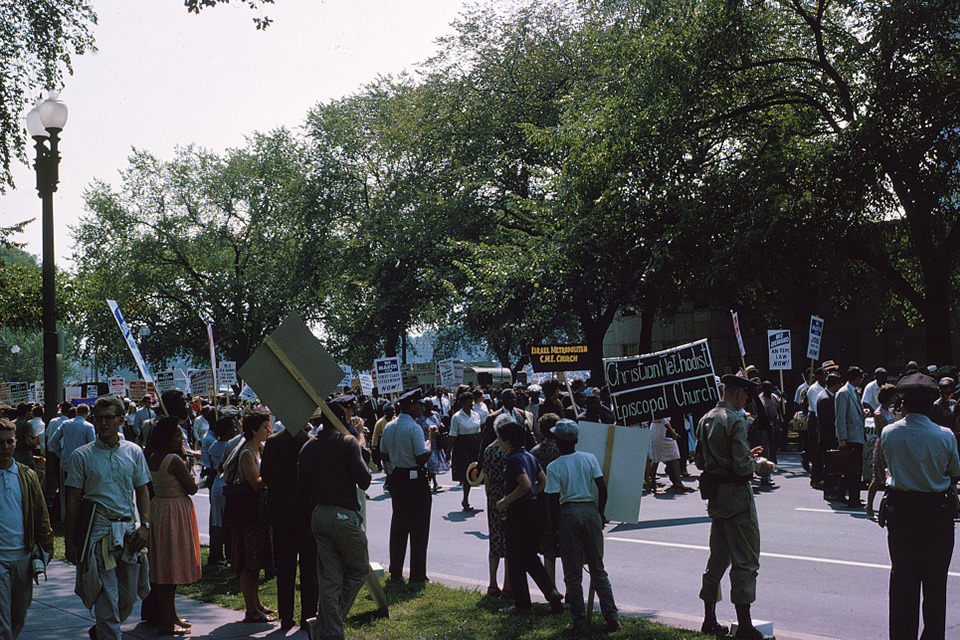
A Living Constitution
In this lesson, students investigate how the Constitution balances stability and change through the amendment process and civic participation. Through analysis of Article V, historical amendments, and case studies of social movements, students examine how citizens have influenced constitutional change over time. Students evaluate why the amendment process is intentionally difficult, explore how civic action can lead to reform, and consider the role of individuals and groups in shaping a living Constitution.
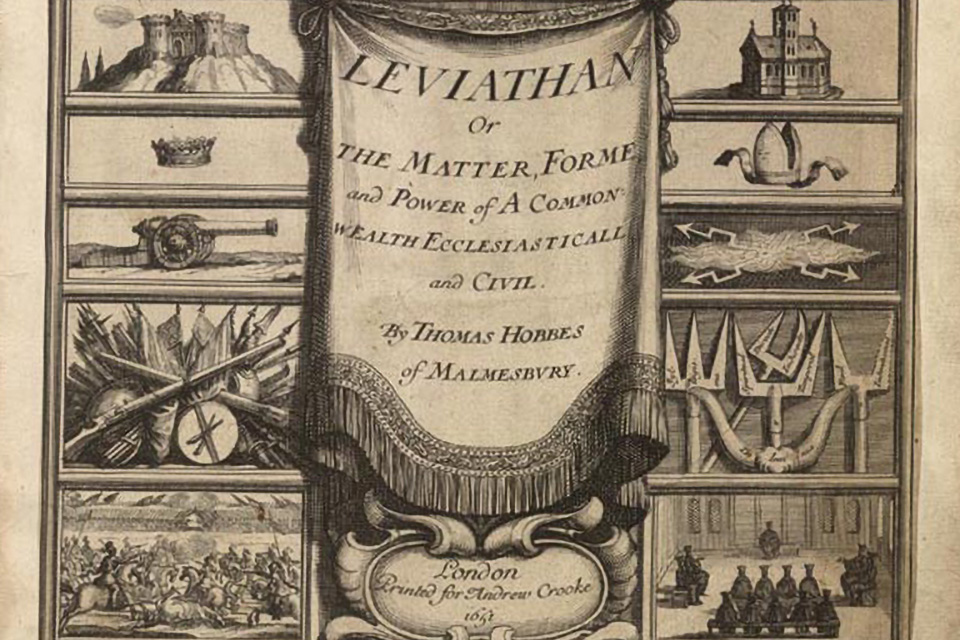
Colonial Grievances and the Social Contract
In this lesson, students examine how the grievances in the Declaration of Independence demonstrate a broken social contract. Through a matching activity and analysis of draft documents from the Library of Congress, students identify patterns of unfairness and evolving argumentation. Using a Claim-Evidence-Reasoning framework, they practice identifying them as legal arguments and apply their understanding to modern contexts before completing a final written evaluation.
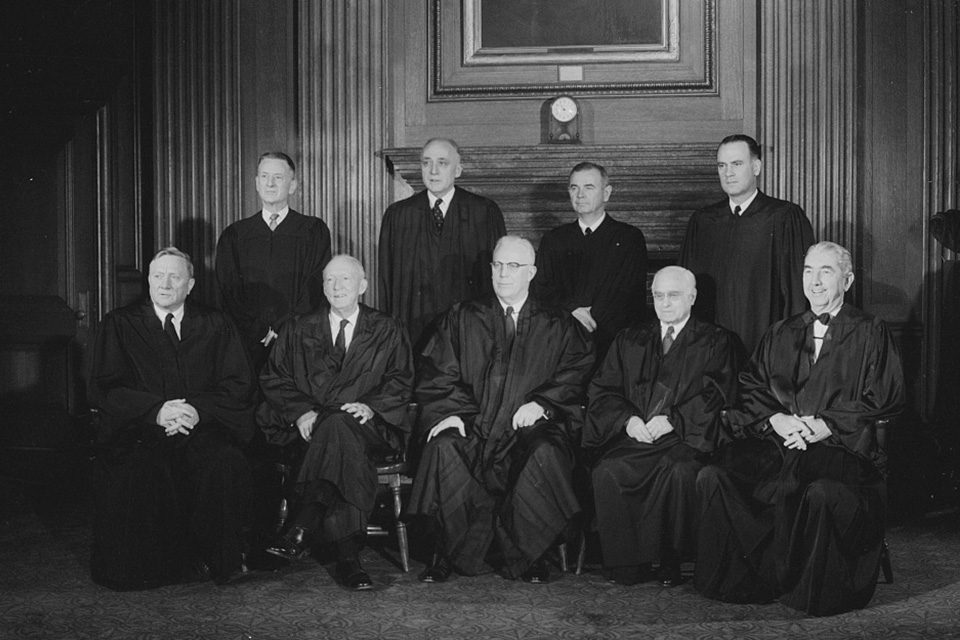
Promises and Protections: Are Rights Equal for Everyone?
Students will investigate whether natural rights have been equally protected for all people in the United States throughout history. Through analysis of constitutional rights, Jim Crow laws, voting rights expansion, and civic discussion, students will examine how rights and freedoms have been protected, limited, and expanded over time.