
About Teaching 250
Teaching250 is a collaborative project bringing together established national civic education organizations and classroom teachers to develop high-quality, nonpartisan instructional resources in advance of America’s 250th anniversary. This initiative was made possible through a 2025 Leonore Annenberg Institute for Civics Award—an annual recognition for Civics Renewal Network members from the Annenberg Public Policy Center of the University of Pennsylvania.
Supported by this award, educators worked alongside partners from the Civics Renewal Network to create inquiry-based lessons that help students explore America’s founding principles through primary sources and engaging classroom activities.
To learn more about the organizations that contributed resources to Teaching250, please explore our Civics Renewal Network partners. Each lesson page also includes links to partner organizations where you can find additional classroom materials and resources.
Featured Lesson Plans
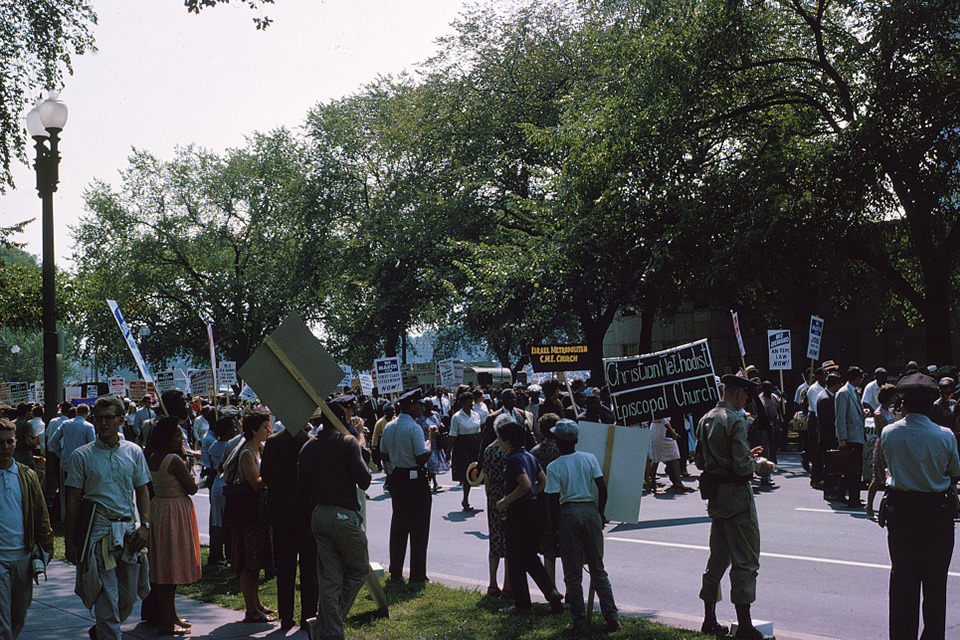
Power of One
This lesson explores ways in which people can engage in civic renewal beyond voting. Students will analyze a photo of a protest, and then read and analyze case studies about kids making a difference through non-voting civic renewal initiatives. As part of their case study analysis, students will learn and apply the definitions of “top down” and “bottom up” approaches to civic action. As tweens and young teens are legally unable to vote, the ultimate goal of this lesson is to showcase inspiring examples of civic renewal that did not involve the power of voting.
A Living Constitution
In this lesson, students investigate how the Constitution balances stability and change through the amendment process and civic participation. Through analysis of Article V, historical amendments, and case studies of social movements, students examine how citizens have influenced constitutional change over time. Students evaluate why the amendment process is intentionally difficult, explore how civic action can lead to reform, and consider the role of individuals and groups in shaping a living Constitution.
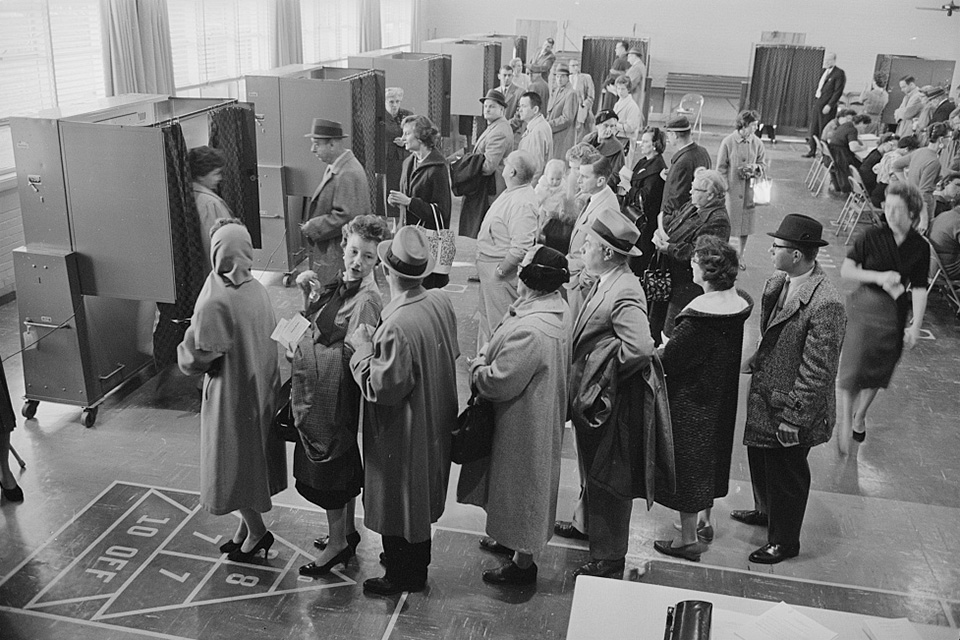
To Expand or to Limit, That Is the Question
Students will connect prior experience of expansion and contraction of voting rights to current debates.