
An Unfinished Promise
Did the ideal of equality in the Declaration of Independence inspire change in America?
In this lesson, students will first explore three primary sources that help students think about what the founding generation thought about the idea and ideal of equality. Students engage in inquiry by using the text of the primary sources to generate an answer to the first compelling question. Students then use evidence and reasoning to support their claim. In the second part of the lesson, students investigate additional primary sources to see how the ideals of human equality in the Declaration of Independence have inspired change throughout American history.
Objectives:
- Students will be able to generate definitions and key ideas from context clues within the primary sources.
- Students will be able to compare and contrast primary sources in order to develop a more nuanced understanding of the meaning of equality in the context of different time periods.
- Students will be able to investigate a series of primary sources to develop evidence-based claims answering the questions, 1. “How did the founding generation understand the ideal of equality in the Declaration of Independence?” and 2. “How did the ideal of human equality in the Declaration of Independence inspire change in America?”
Assessment:
Formative Assessment: Students will use graphic organizers with text-based questions and a comparison t-chart to investigate the meaning of equality on both days of the lesson.
Summative Assessment: Students will complete a claim-evidence-reasoning response to the two compelling questions (one each day).
Resources
Download Lesson
DownloadFeatured Lesson Plans
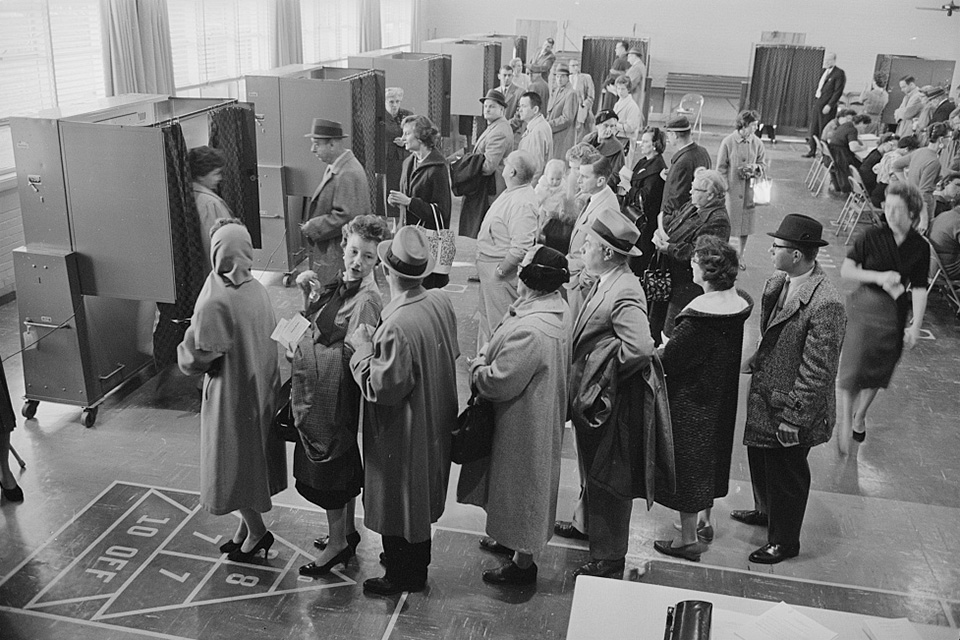
To Expand or to Limit, That Is the Question
Students will connect prior experience of expansion and contraction of voting rights to current debates.
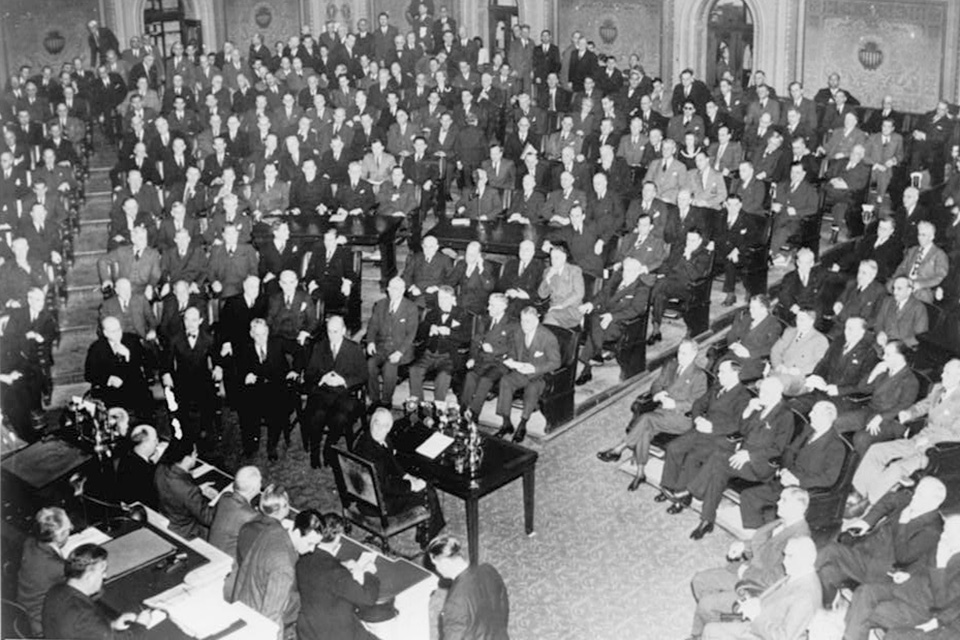
Protecting Rights
Students will analyze how government power has been defined and limited over time through Influences on the Founding, various Founding Documents, and landmark Supreme Court cases.
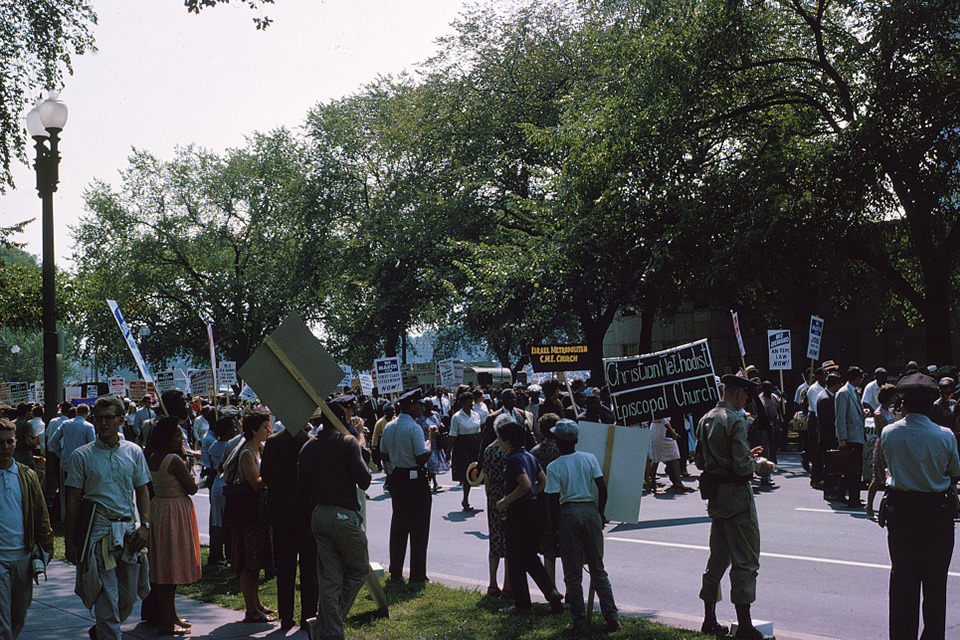
Power of One
This lesson explores ways in which people can engage in civic renewal beyond voting. Students will analyze a photo of a protest, and then read and analyze case studies about kids making a difference through non-voting civic renewal initiatives. As part of their case study analysis, students will learn and apply the definitions of “top down” and “bottom up” approaches to civic action. As tweens and young teens are legally unable to vote, the ultimate goal of this lesson is to showcase inspiring examples of civic renewal that did not involve the power of voting.