
To Expand or to Limit, That Is the Question
Which branch of government has the power to impact voting access?
Students will connect prior experience of expansion and contraction of voting rights to current debates.
Objectives:
- Students will identify patterns and trends in voting rights over time.
- Students will analyze ballots and ballot access to gain an understanding of changes in voting rights.
- Students will explore laws that directly impact their right to vote in local, state, and national elections.
- Students will assess the influence their right to vote has on their own political efficacy.
Assessment:
- Homework: Tactic, Tools, and Turnout: Tension in American Voting Laws
- Culminating Activity: Letter to Legislators (Assessment Rubric)
Resources
Download Lesson
DownloadFeatured Lesson Plans
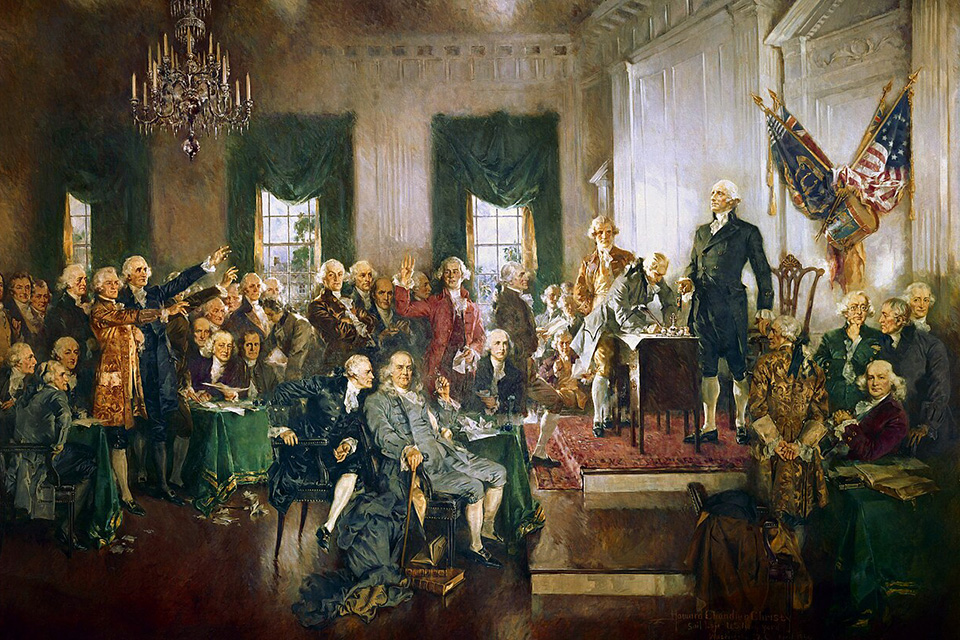
Republic Means: Represent Me
In this lesson, students investigate the principle of republicanism by asking how government representatives decide and act upon what constituents want. Students watch short videos, research their representatives, analyze and amend a bill, and at the end of the lesson draft a letter to their members in Congress.
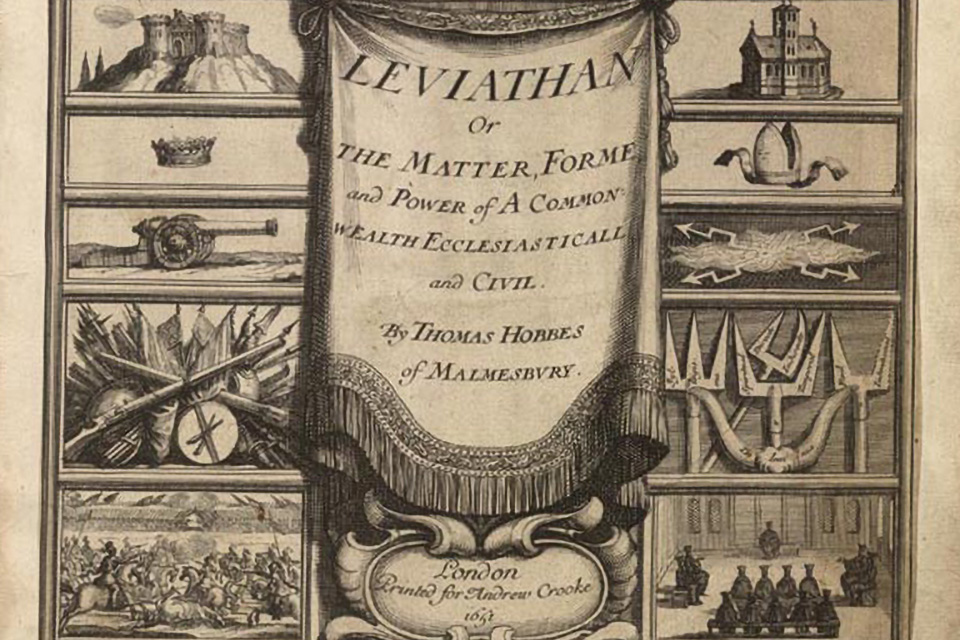
Colonial Grievances and the Social Contract
In this lesson, students examine how the grievances in the Declaration of Independence demonstrate a broken social contract. Through a matching activity and analysis of draft documents from the Library of Congress, students identify patterns of unfairness and evolving argumentation. Using a Claim-Evidence-Reasoning framework, they practice identifying them as legal arguments and apply their understanding to modern contexts before completing a final written evaluation.
It Makes Sense! Common, That Is!
Students will trace the establishment of Republicanism in history using the primary sources including the Mayflower Compact, Common Sense, Declaration Of Independence, Articles Of Confederation, Constitution.