
Expanding the Vote
Has the right to vote in the United States changed over time?
Students will explore the tension throughout United States history in expanding the elective franchise. This tension draws into question some of the Declaration of Independence’s founding principles: popular sovereignty, republicanism, and equality.
Objectives:
- Students will identify patterns and changes in voting rights over time in the United States.
- Students will analyze the relationship between voting and popular sovereignty.
- Students will assess the influence their right to vote has on both internal and external political efficacy.
Assessment:
- Primary source guided questions
- Webquest
- Exit Ticket
Resources
Download Lesson
DownloadFeatured Lesson Plans
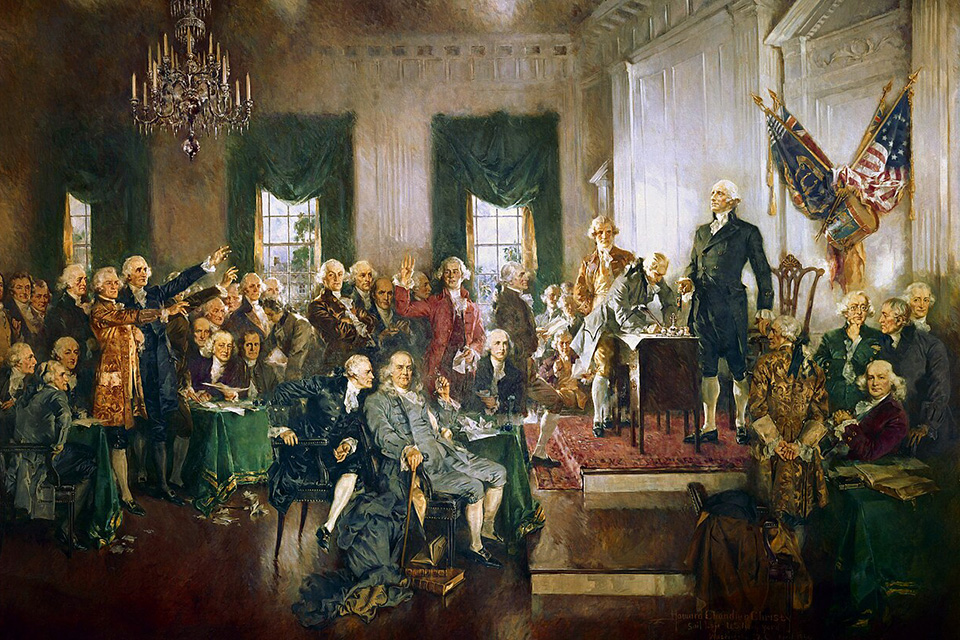
Washington’s Legacy
In this lesson students will examine the foreign policy advice of President George Washington and then evaluate the policies for four other US presidents to analyze if they followed his advice.
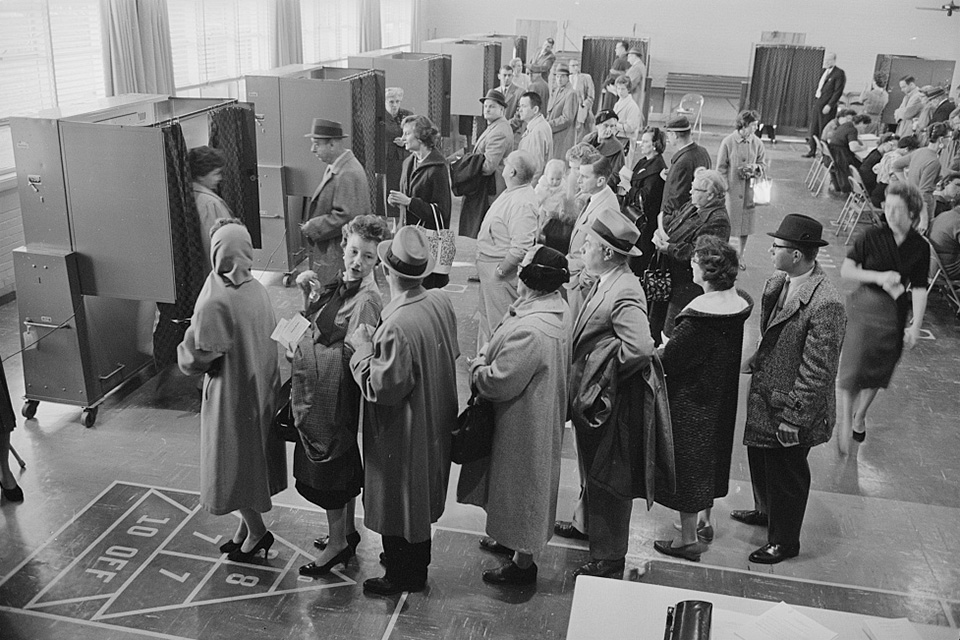
To Expand or to Limit, That Is the Question
Students will connect prior experience of expansion and contraction of voting rights to current debates.
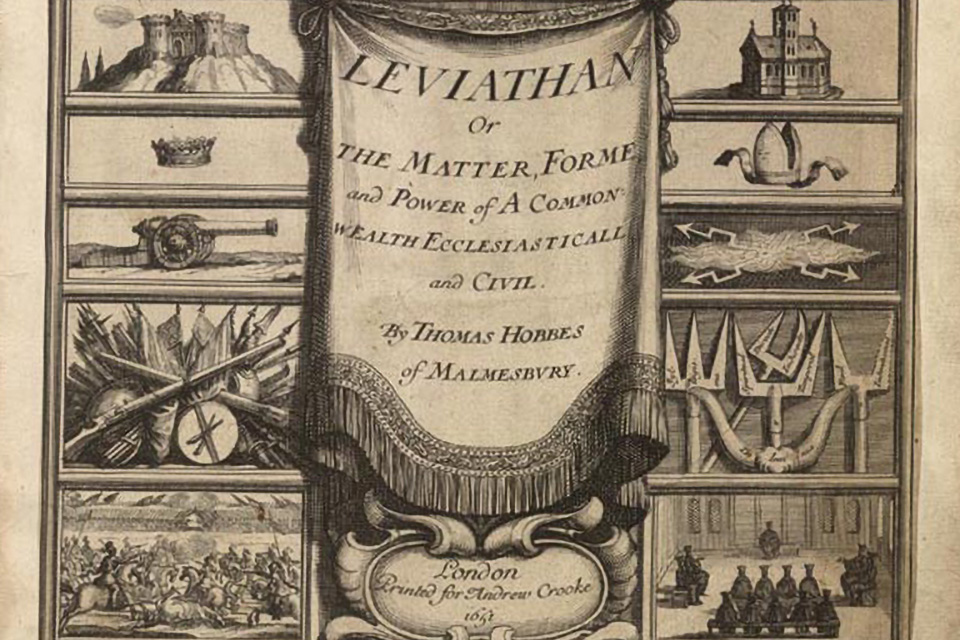
Colonial Grievances and the Social Contract
In this lesson, students examine how the grievances in the Declaration of Independence demonstrate a broken social contract. Through a matching activity and analysis of draft documents from the Library of Congress, students identify patterns of unfairness and evolving argumentation. Using a Claim-Evidence-Reasoning framework, they practice identifying them as legal arguments and apply their understanding to modern contexts before completing a final written evaluation.