
The Power of Your Voice!
How do citizens protect their natural rights?
In this lesson, students will investigate the meaning of natural rights, their place in the Declaration of Independence, and the role of citizens in protecting these rights. Students will engage in small-group deliberation, utilize a myriad of resources, and ultimately engage in a student voice project. By the end of the lesson students will have seen several examples of fellow students engaging in active citizenship, and how they might exercise their own voice.
Objectives:
- Evaluate the principle of natural rights and how they have been defined in historic documents
- Evaluate the meaning of natural rights, and how a government can be used to protect such rights
- Consider the responsibility of a nation’s citizenry to engage in the protection of natural rights
- Evaluate examples of active citizenship in students of a similar age
Assessment:
- Station discussions and reflection
- Primary and secondary source analysis
- Final product (student choice)
Resources
Download Lesson
DownloadFeatured Lesson Plans
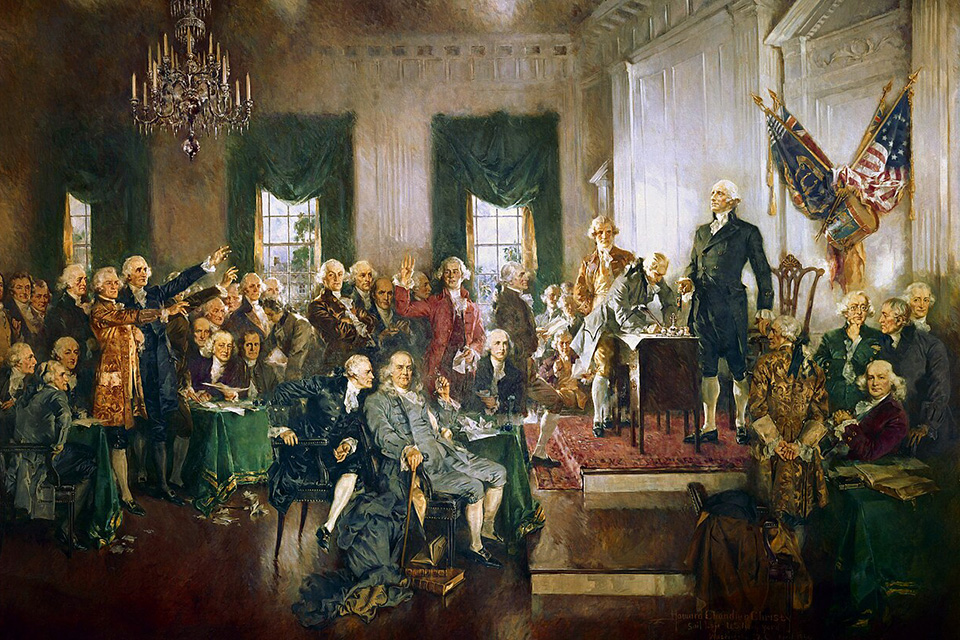
It Makes Sense! Common, That Is!
Students will trace the establishment of Republicanism in history using the primary sources including the Mayflower Compact, Common Sense, Declaration Of Independence, Articles Of Confederation, Constitution.
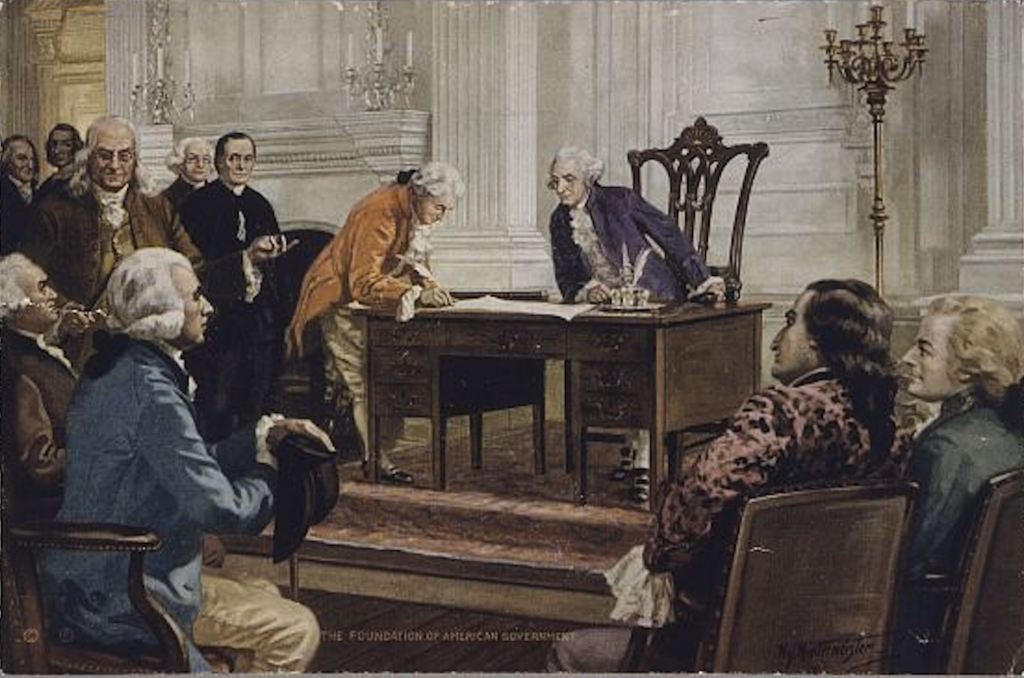
From Grievance to Government
In this lesson students investigate how colonial grievances expressed in the Declaration of Independence influenced protections later included in the U.S. Constitution and Bill of Rights. Through primary source analysis and station activities, students examine specific grievances and connect them to constitutional protections designed to prevent abuses of government power. Students synthesize their learning by creating a one-page visual demonstrating how the experiences of the colonists helped shape a government designed to protect individual rights.
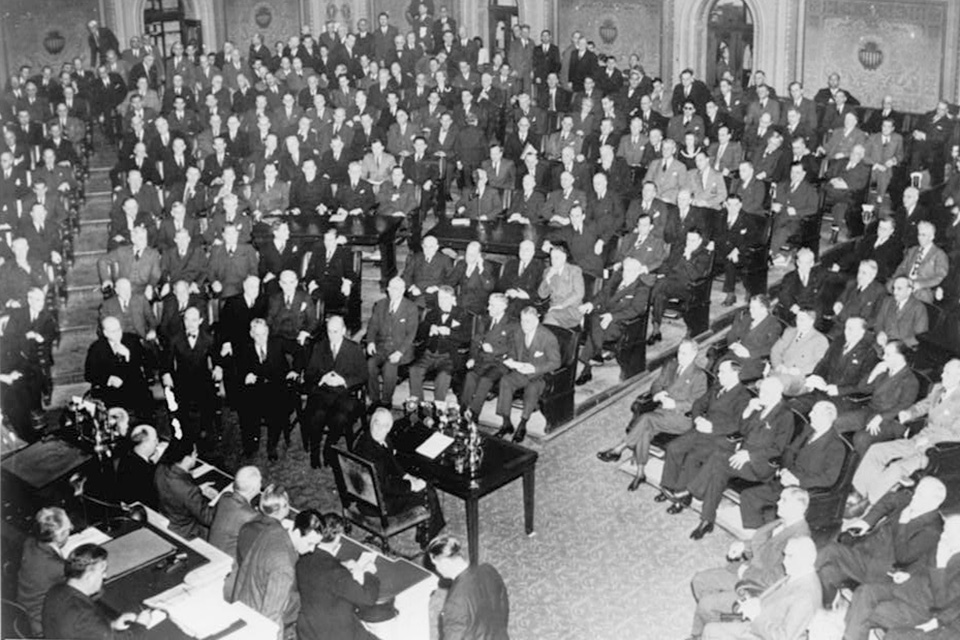
Above the Law
In this lesson, students examine how the rule of law and the principle of limited government shape and constrain executive power in the United States. Through analysis of the Declaration of Independence, constitutional principles, and landmark Supreme Court cases, students investigate how presidential authority has been expanded, challenged, and restricted throughout American history. Students apply their understanding through legal reasoning, collaborative discussion, and a moot court activity focused on contemporary questions about executive power and constitutional limits