
From Grievance to Government
Did colonial grievances influence the creation of the Constitution and Bill of Rights?
In this lesson students investigate how colonial grievances expressed in the Declaration of Independence influenced protections later included in the U.S. Constitution and Bill of Rights. Through primary source analysis and station activities, students examine specific grievances and connect them to constitutional protections designed to prevent abuses of government power. Students synthesize their learning by creating a one-page visual demonstrating how the experiences of the colonists helped shape a government designed to protect individual rights.
Objectives:
- Students will examine the Declaration of Independence and learn about the grievances included.
- Students will evaluate how the government derives power from the consent of the governed.
- Students will identify how the U.S. Constitution and Bill of Rights have been shaped by the Declaration of Independence.
Assessment:
- Students will answer the compelling questions with written responses (or orally, based on student needs).
Resources
Download Lesson
DownloadFeatured Lesson Plans
Power of One
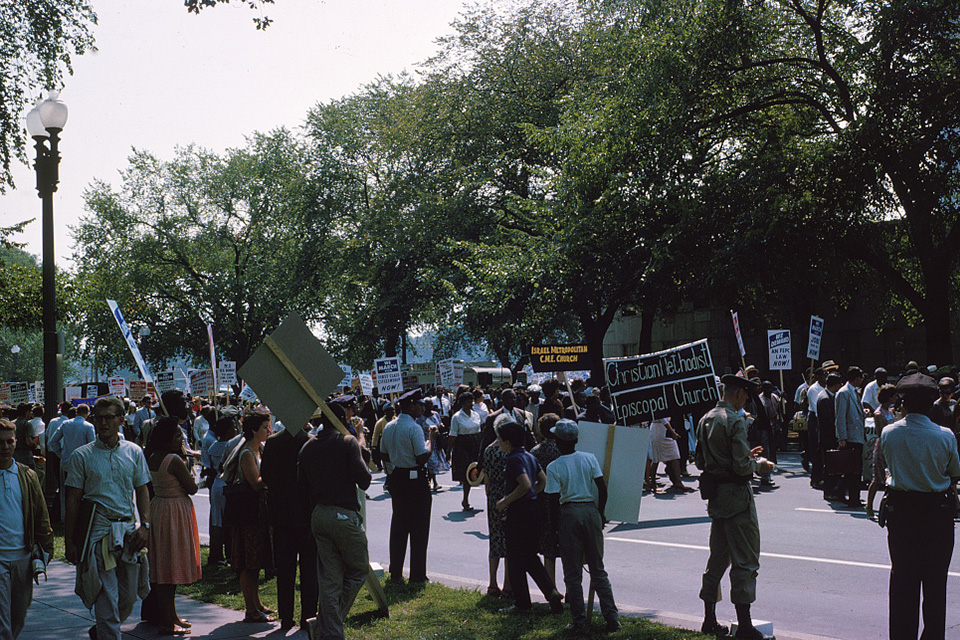
This lesson explores ways in which people can engage in civic renewal beyond voting. Students will analyze a photo of a protest, and then read and analyze case studies about kids making a difference through non-voting civic renewal initiatives. As part of their case study analysis, students will learn and apply the definitions of “top down” and “bottom up” approaches to civic action. As tweens and young teens are legally unable to vote, the ultimate goal of this lesson is to showcase inspiring examples of civic renewal that did not involve the power of voting.
To Expand or to Limit, That Is the Question
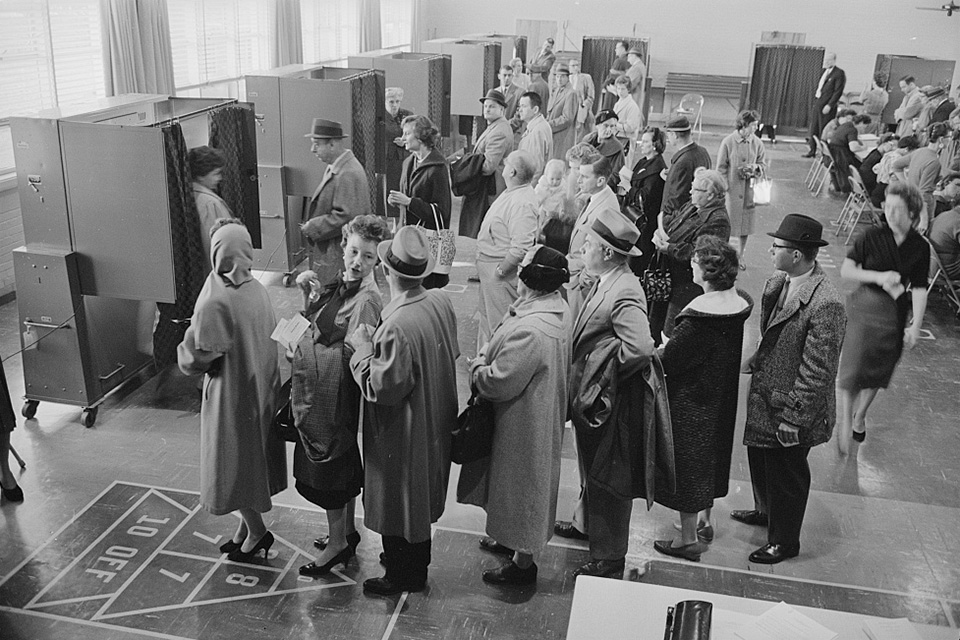
Students will connect prior experience of expansion and contraction of voting rights to current debates.
A Living Constitution
In this lesson, students investigate how the Constitution balances stability and change through the amendment process and civic participation. Through analysis of Article V, historical amendments, and case studies of social movements, students examine how citizens have influenced constitutional change over time. Students evaluate why the amendment process is intentionally difficult, explore how civic action can lead to reform, and consider the role of individuals and groups in shaping a living Constitution.