
Power of One
How can an individual demonstrate agency and/or effect change in our representative democracy?
This lesson explores ways in which people can engage in civic renewal beyond voting. Students will analyze a photo of a protest, and then read and analyze case studies about kids making a difference through non-voting civic renewal initiatives. As part of their case study analysis, students will learn and apply the definitions of “top down” and “bottom up” approaches to civic action. As tweens and young teens are legally unable to vote, the ultimate goal of this lesson is to showcase inspiring examples of civic renewal that did not involve the power of voting.
Objectives:
Students will be able to identify and explain different ways they can participate in civic life and make a difference without voting.
Assessment:
Exit Ticket:
Present students with the statement: “Voting is the only way that individuals can make a difference.” On a scale of 1-10 how much do you agree with that statement? Support your thinking with 2-3 examples from the lesson.
You may choose to do this as a written assessment OR small group discussion.
Resources
Download Lesson
DownloadFeatured Lesson Plans
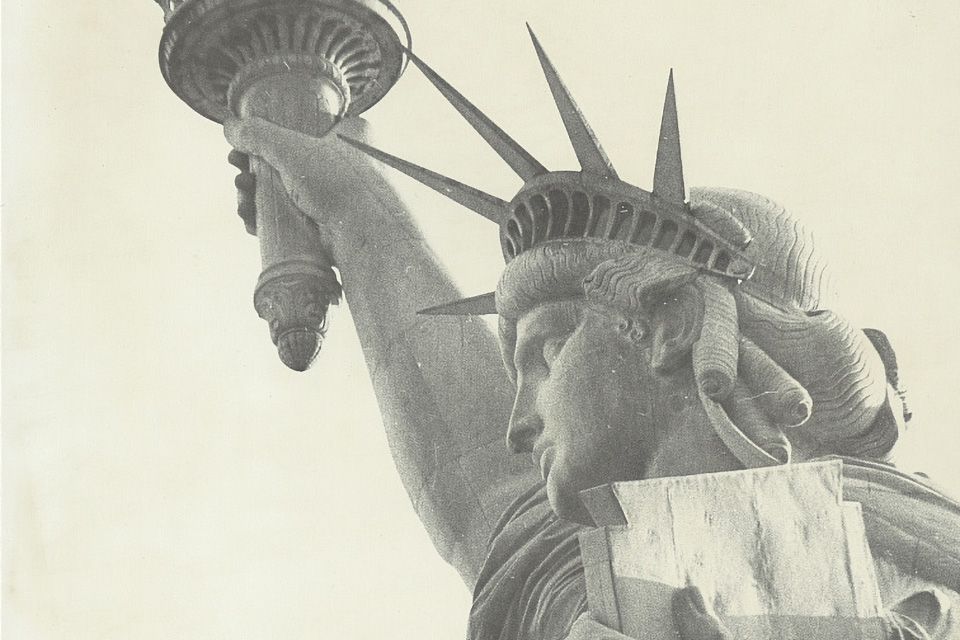
Pursuit of Happiness
In this lesson, students will investigate how Americans conceptualized the ‘Pursuit of Happiness’ at various points in history and how this relates to government action and their own individual civic virtue. Students watch a short video, examine excerpts from primary sources, and reflect on their own understanding of happiness through debate, dialogue, and writing. By the end of the lesson, students will evaluate whether it is more important to have a government of laws or a culture of individual civic virtue in order to promote the “pursuit of happiness.”
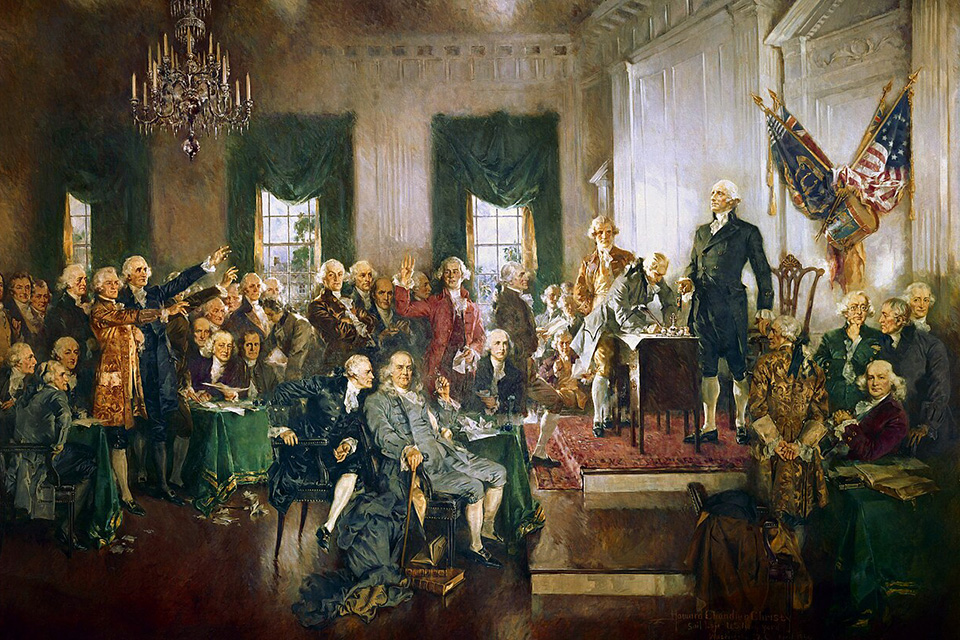
Republic Means: Represent Me
In this lesson, students investigate the principle of republicanism by asking how government representatives decide and act upon what constituents want. Students watch short videos, research their representatives, analyze and amend a bill, and at the end of the lesson draft a letter to their members in Congress.
Washington’s Legacy
In this lesson students will examine the foreign policy advice of President George Washington and then evaluate the policies for four other US presidents to analyze if they followed his advice.