
Republic Means: Represent Me
Do representatives always act in the best interest of their constituents?
In this lesson, students investigate the principle of republicanism by asking how government representatives decide and act upon what constituents want. Students watch short videos, research their representatives, analyze and amend a bill, and at the end of the lesson draft a letter to their members in Congress.
Objectives:
- Explain how Americans are represented in Congress.
- Describe how Congress works in committees.
- Analyze a Congressional bill and amend it.
- Synthesize communications with representatives in Congress.
Assessment:
To measure students’ abilities to apply what they learned about how they are represented, students will draft a Letter to Your Member of Congress to encourage them to continue advocating for issues that matter to them, which is ultimately what engaged citizens do!
Additionally, a whole class discussion about the compelling questions occurs at the end of the lesson.
Resources
Download Lesson
DownloadFeatured Lesson Plans
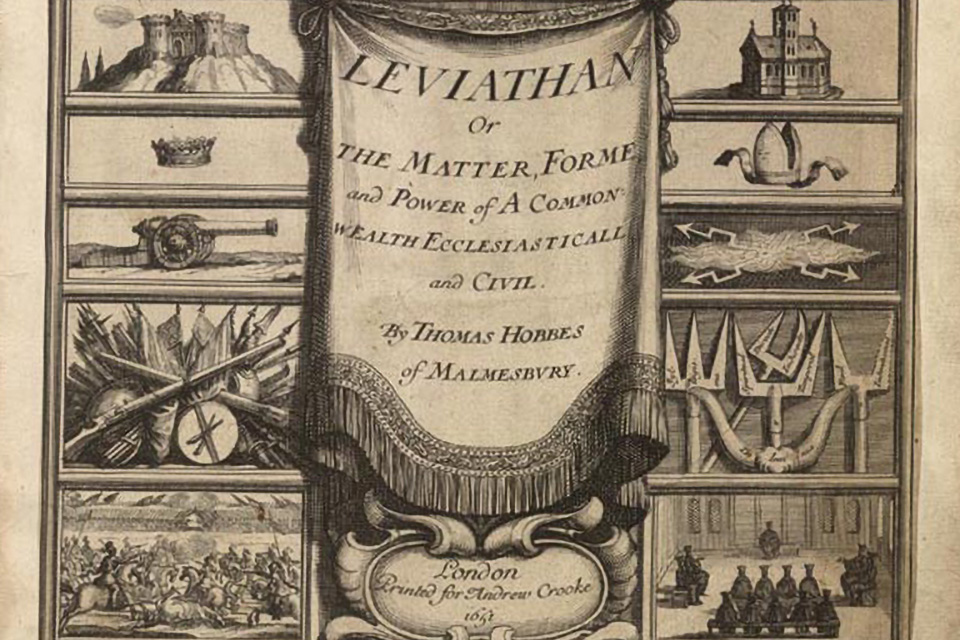
Colonial Grievances and the Social Contract
In this lesson, students examine how the grievances in the Declaration of Independence demonstrate a broken social contract. Through a matching activity and analysis of draft documents from the Library of Congress, students identify patterns of unfairness and evolving argumentation. Using a Claim-Evidence-Reasoning framework, they practice identifying them as legal arguments and apply their understanding to modern contexts before completing a final written evaluation.
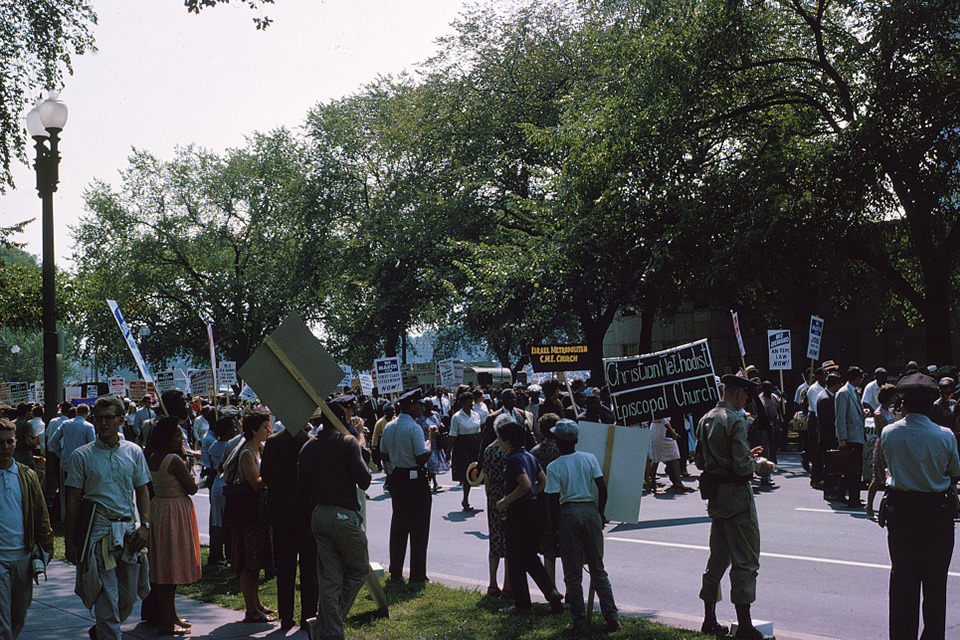
A Living Constitution
In this lesson, students investigate how the Constitution balances stability and change through the amendment process and civic participation. Through analysis of Article V, historical amendments, and case studies of social movements, students examine how citizens have influenced constitutional change over time. Students evaluate why the amendment process is intentionally difficult, explore how civic action can lead to reform, and consider the role of individuals and groups in shaping a living Constitution.
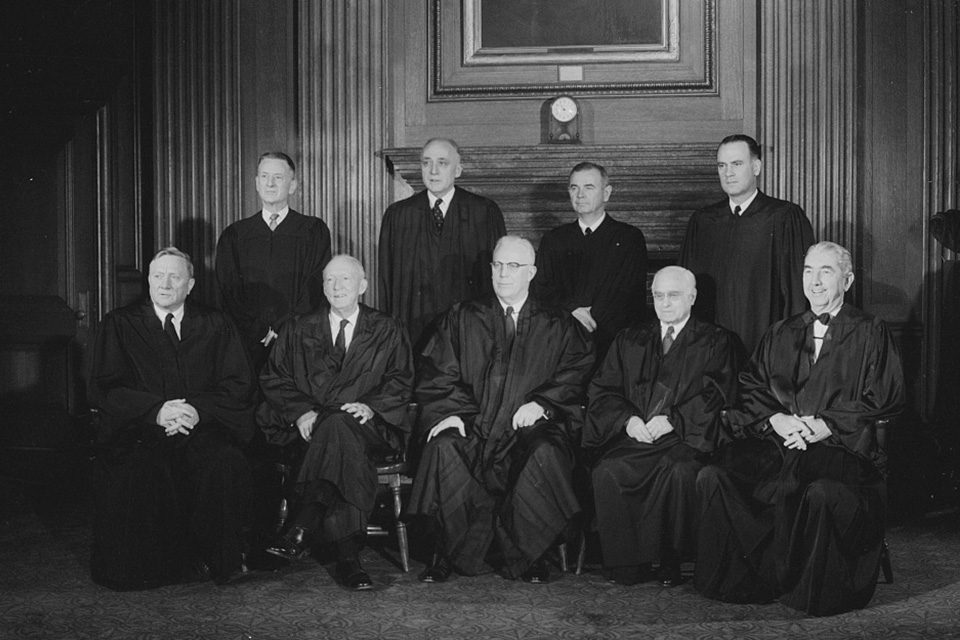
Protecting Natural Rights: The Bill of Rights and Government Power
Students will investigate how governments protect people’s natural rights by examining the Bill of Rights, grievances listed in the Declaration of Independence, and different forms of government. Through source analysis, collaborative discussion, and constructive dialogue activities, students will evaluate how democratic governments protect individual freedoms and how constitutional rights continue to shape civic life today.