
It Makes Sense! Common, That Is!
How did Thomas Paine's Common Sense contribute to the colonists' belief that power comes from the people instead of a monarch?
Students will trace the establishment of Republicanism in history using the primary sources including the Mayflower Compact, Common Sense, Declaration Of Independence, Articles Of Confederation, Constitution.
Objectives:
Understand why “governments are instituted among men, deriving their just power from the consent of the governed.”
Resources
Download Lesson
DownloadFeatured Lesson Plans

A Living Constitution
In this lesson, students investigate how the Constitution balances stability and change through the amendment process and civic participation. Through analysis of Article V, historical amendments, and case studies of social movements, students examine how citizens have influenced constitutional change over time. Students evaluate why the amendment process is intentionally difficult, explore how civic action can lead to reform, and consider the role of individuals and groups in shaping a living Constitution.
Civic Compass
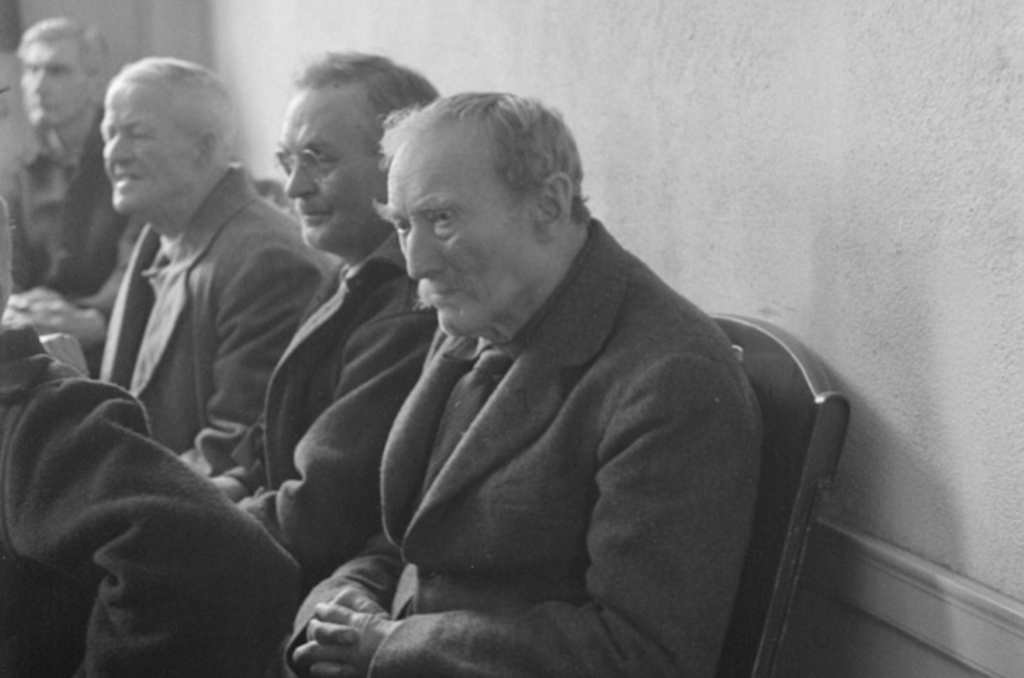
Civic virtue has been defined by the National Constitution Center as the character of a good participant in a system of government. Understanding the necessity of working towards the common good and positive personal habits are necessary for the health of a democracy and a system of government. This lesson asks students to reflect on character formation and the example set by notable Americans in the past to see how they exemplified civic virtue. Students will then consider civic virtue and the examples from previous generations and build a case for a living American that embodies civic virtue and serves as a civic role model.
Expanding the Vote
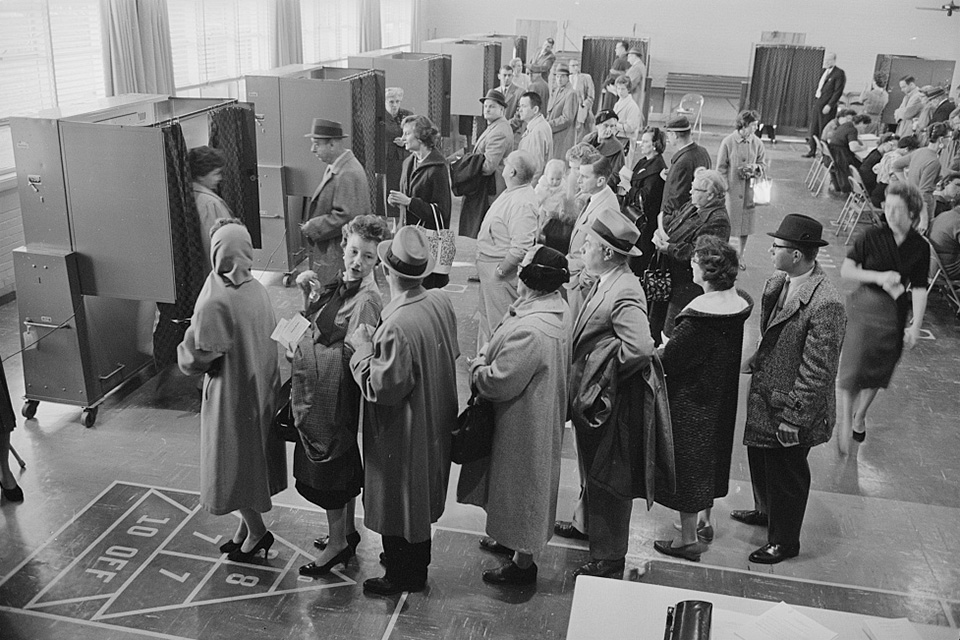
Students will explore the tension throughout United States history in expanding the elective franchise. This tension draws into question some of the Declaration of Independence’s founding principles: popular sovereignty, republicanism, and equality.