
Civic Compass
What values, virtues, and principles can guide my civic engagement?
Civic virtue has been defined by the National Constitution Center as the character of a good participant in a system of government. Understanding the necessity of working towards the common good and positive personal habits are necessary for the health of a democracy and a system of government. This lesson asks students to reflect on character formation and the example set by notable Americans in the past to see how they exemplified civic virtue. Students will then consider civic virtue and the examples from previous generations and build a case for a living American that embodies civic virtue and serves as a civic role model.
Objectives:
- Students will be able to generate a list of important leadership traits.
- Students will be able to compare and contrast important virtues as listed by Thomas Jefferson, George Washington, and Benjamin Franklin.
- Students will be able to assess examples of civic virtue from other notable people from American history such as Frances Ellen Watkins Harper, Standing Bear, Alice Paul, A. Philip Randoph, and Dolores Huerta.
- Students will be able to compose a testimonial on behalf of a living American that embodies civic virtue and serves as a civic role model.
Assessment:
- Students will create an endorsement of a living American that exemplified civic virtue using a choice board. Students may use electronic means to create their presentation or may use analog materials, based on teacher and student preference.
- Students will then evaluate their own civic virtue and assess their greatest civic virtue strengths and areas of improvement.
Resources
Download Lesson
DownloadFeatured Lesson Plans
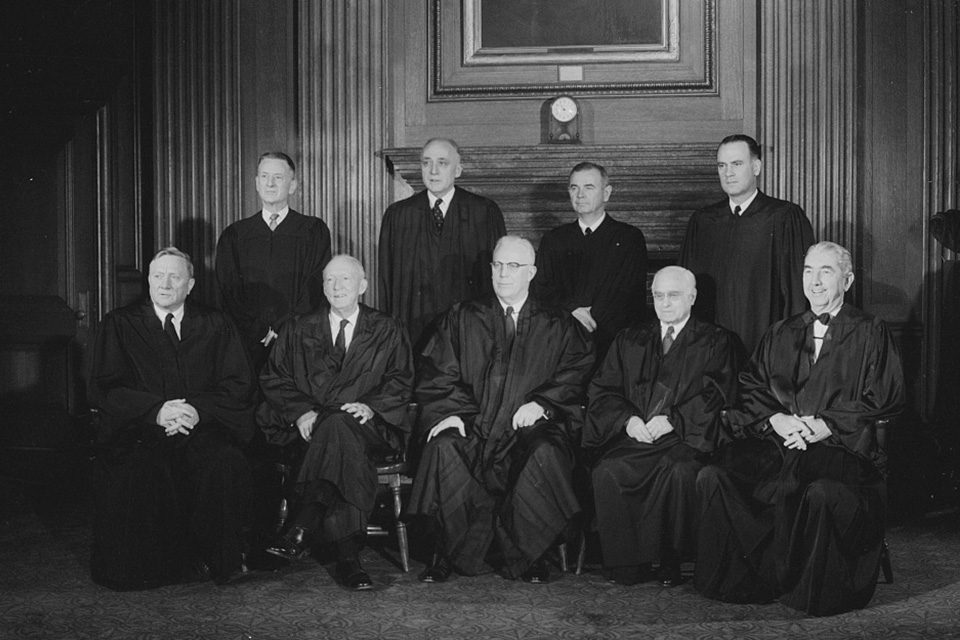
Promises and Protections: Are Rights Equal for Everyone?
Students will investigate whether natural rights have been equally protected for all people in the United States throughout history. Through analysis of constitutional rights, Jim Crow laws, voting rights expansion, and civic discussion, students will examine how rights and freedoms have been protected, limited, and expanded over time.
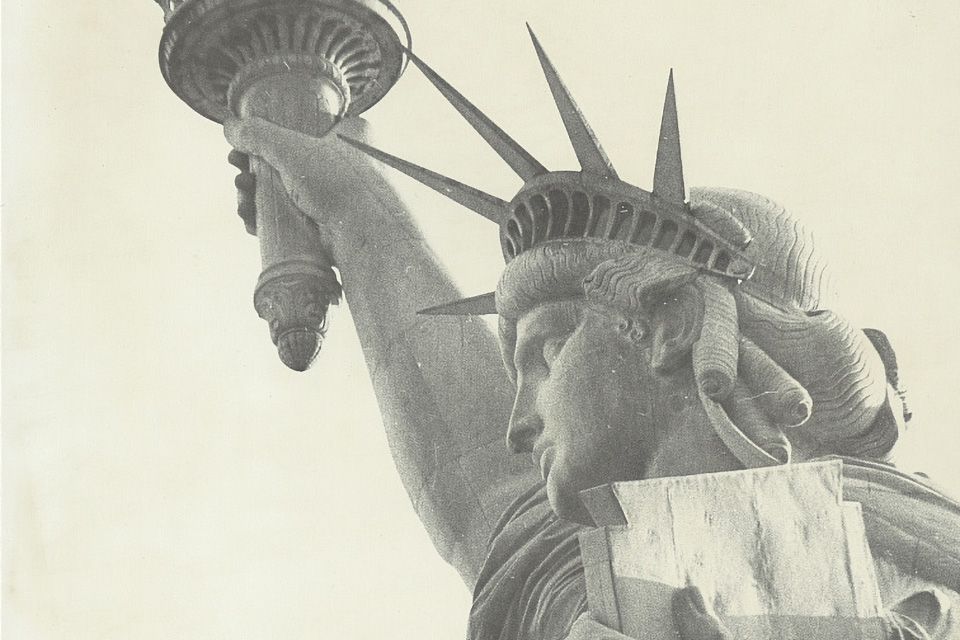
The Power of Your Voice!
In this lesson, students will investigate the meaning of natural rights, their place in the Declaration of Independence, and the role of citizens in protecting these rights. Students will engage in small-group deliberation, utilize a myriad of resources, and ultimately engage in a student voice project. By the end of the lesson students will have seen several examples of fellow students engaging in active citizenship, and how they might exercise their own voice.
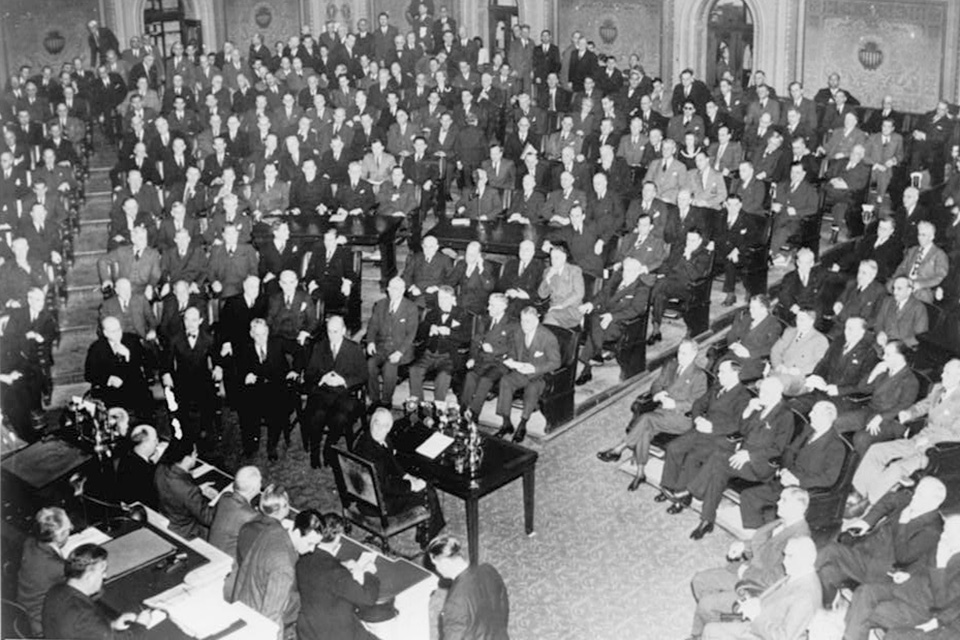
Above the Law
In this lesson, students examine how the rule of law and the principle of limited government shape and constrain executive power in the United States. Through analysis of the Declaration of Independence, constitutional principles, and landmark Supreme Court cases, students investigate how presidential authority has been expanded, challenged, and restricted throughout American history. Students apply their understanding through legal reasoning, collaborative discussion, and a moot court activity focused on contemporary questions about executive power and constitutional limits