
Promises and Protections: Are Rights Equal for Everyone?
How have natural rights expanded over time since the beginnings of the United States?
Students will investigate whether natural rights have been equally protected for all people in the United States throughout history. Through analysis of constitutional rights, Jim Crow laws, voting rights expansion, and civic discussion, students will examine how rights and freedoms have been protected, limited, and expanded over time.
Objectives:
- Analyze how constitutional rights and freedoms have been protected or limited throughout United States history.
- Examine how voting rights expanded for some groups while remaining limited for others.
- Evaluate whether natural rights have been equally protected in practice.
- Use evidence from historical sources and class discussions to support claims.
Assessment:
Assessments Include:
- Jim Crow Source Analysis
- Voting Rights Discussion
- Collaborative Discussions
- Exit Ticket
Resources
Download Lesson
DownloadFeatured Lesson Plans
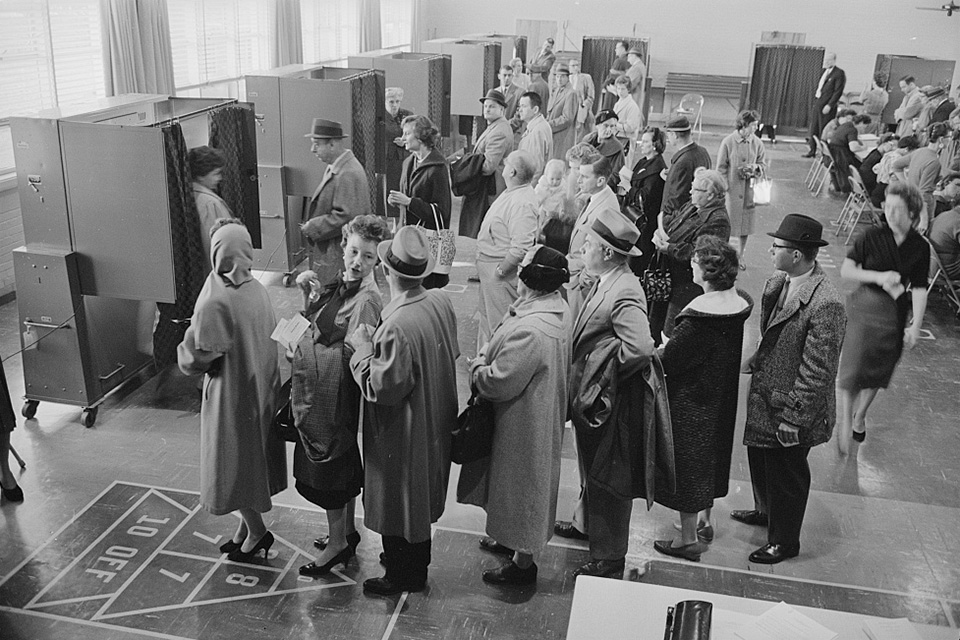
To Expand or to Limit, That Is the Question
Students will connect prior experience of expansion and contraction of voting rights to current debates.
Expanding the Vote
Students will explore the tension throughout United States history in expanding the elective franchise. This tension draws into question some of the Declaration of Independence’s founding principles: popular sovereignty, republicanism, and equality.
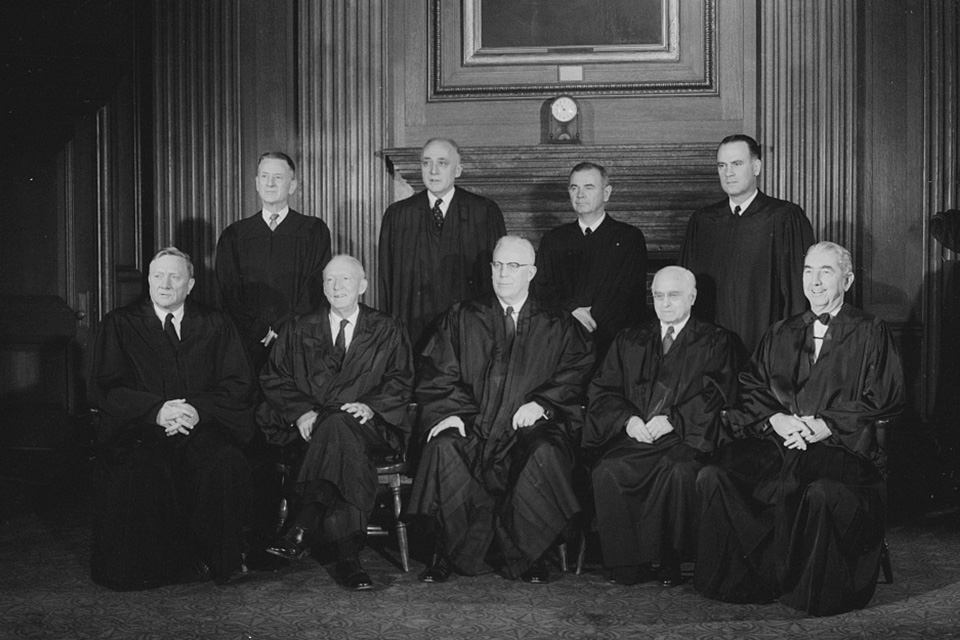
Protecting Natural Rights: The Bill of Rights and Government Power
Students will investigate how governments protect people’s natural rights by examining the Bill of Rights, grievances listed in the Declaration of Independence, and different forms of government. Through source analysis, collaborative discussion, and constructive dialogue activities, students will evaluate how democratic governments protect individual freedoms and how constitutional rights continue to shape civic life today.